We started Cranked Up TV because too many independent horror films get treated like spare parts or leftovers. The biggest platforms can always find room for the same familiar titles, but the niche films, the festival finds, the rough little obsessions, and the movies that horror fans actually recommend to each other tend to get pushed to the side. We wanted to build a place where independent horror was not a side dish, we wanted it to be the main course.
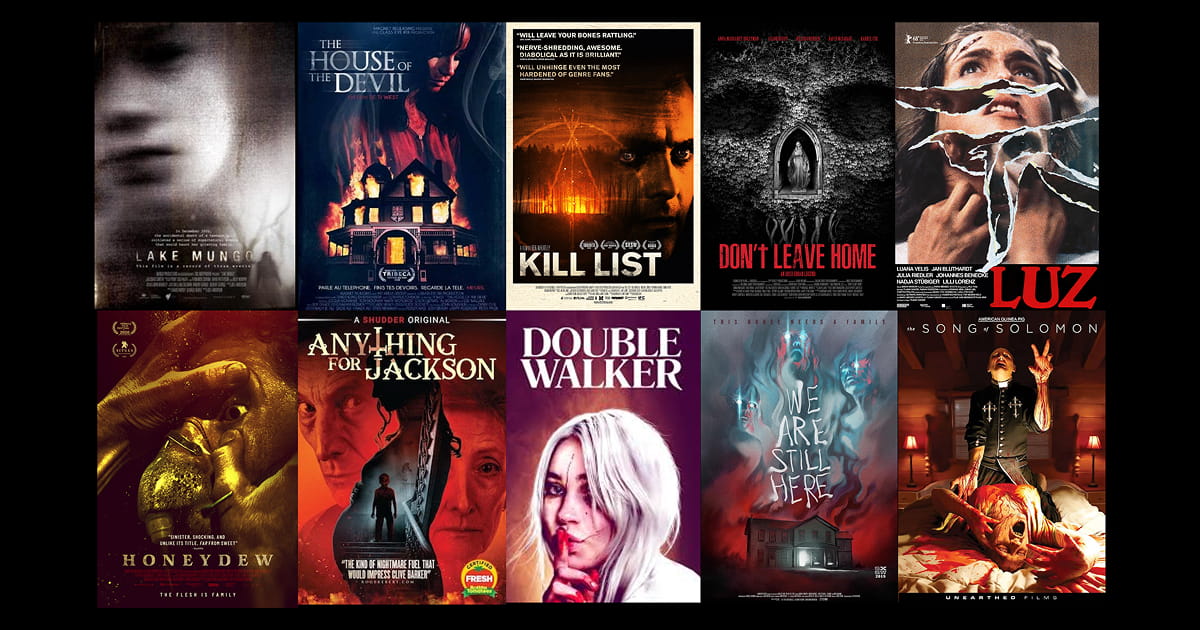
That frustration did not come from theory, it came from loving this genre long enough to know what gets lost. A platform that can place Honeydew, Double Walker, Don’t Leave Home, and Maskhead in the same living catalog is already saying something different about what horror deserves.
We wanted a home for the films bigger platforms keep losing
A lot of services say they have horror but what they really mean is that they have a category label, a handful of recognizable names, and a rotation that never gets much deeper than the safest choices. That is not enough for us, and it is probably not enough for you either if a title like August Underground means more to you than another copy-paste carousel.
The library we wanted had to feel wider and weirder than that. Horror fans rarely stop at the broad category. They go looking for the subgenres and strains that actually mean something to them, which is why even something as specific as IndieWire’s roundup of the best found-footage movies can tell you more about horror culture than a generic streaming carousel ever will. The site says it plainly: new originals and exclusives, fan favorites, vintage classics, festival films, modern slashers, foreign-language gems, shorts, old-fashioned grindhouse films, and a few surprises along the way.
That range matters because horror matters most in its odd corners, not just in the polished center. A platform that understands why an anthology like Nightmare Cinema and a comedy horror like Fresh Hell belong in the same ecosystem is already speaking the genre’s language more fluently than one that just keeps serving the same five movies to everyone.
We built this for horror fans, not for a generic audience
There’s a big a difference between making horror available and making it feel like it belongs. True horror fans can see that difference almost immediately. You can feel it when the films seem chosen by people who understand the pull of a regional oddity, a grimy slasher, a midnight anthology, or a title that barely survived the usual streaming churn.
That is why the community had to sit near the center of this thing. Horror fandom has always been built around people passing each other the weird stuff, the rough stuff, and the movies that never got the push they deserved, which is why a piece like Bloody Disgusting’s “What Horror Movies Do You Love That No One Else Has Seen?” still feels so true to the culture. The homepage says Cranked Up TV was created by horror fans for horror fans and that fans are part of the curation process. That matters most to us because horror has always lived through recommendation, argument, convention-floor conversation, filmmaker relationships, and the joy of telling someone, “No, this one is for you.”
We didn’t want to build for a vague audience that likes horror in the abstract. We wanted to build for people who know the feeling of finding one film that rewires their whole week. The people who will watch the winter classic Double Walker on a cold night, circle back to Honeydew for a backwoods trip the next weekend, and still want one more recommendation after that are exactly who this platform is for.
Curation only matters if somebody actually cares
“Curated” gets thrown around so much that it barely means anything anymore. For us, it still means something specific. It means somebody watched the film, remembered it, argued for it, and put it in front of the right horror audience for a reason.
That is why the catalog needs personality. It is why a title like Don’t Leave Home feels different in a place like this than it would in a faceless menu. It is why newer additions and fresh discoveries matter too, because a platform built around taste should keep moving, not freeze into a static museum of approved picks. You can see that alive-and-changing side clearly in what is new on Cranked Up TV.
Curation is also trust. A horror fan does not need to love every film in a catalog to respect the platform behind it. They just need to feel that the choices came from people who have actually spent time inside the genre, not from a machine trying to flatten every taste into the same recommendation logic.
We also wanted horror to play without interruption
Ad-free was never supposed to be the whole identity. It was supposed to support the bigger mission. Once we knew the platform had to serve independent horror and the fans who care about it, the viewing experience had to follow the same logic.
Horror is one of the few genres that a badly timed interruption can damage almost immediately. Tension needs time. Dread needs rhythm. A film like Honeydew does not hit the same way if the mood gets chopped apart, and something as committed as American Guinea Pig: The Song of Solomon definitely does not need a polite interruption in the middle of its worst impulses. That is one reason the homepage says NO ADS. EVER. It is not decorative copy, it is part of how we respect the films.
We wanted the movies to play the way they were meant to play. No ad breaks, no mood-breaking detours, no pretending atmosphere is optional in a genre that often lives or dies on atmosphere. That promise matters more when the catalog is built around independent films, because those are often the exact movies that get mishandled first.
The platform still had to be easy to live with
Loving horror is one thing. Actually watching it regularly is another. If we were going to build the kind of platform we wanted, it also had to be practical enough that people could use it without thinking twice.
The site keeps that part straightforward: a low entry fee, optional individual purchases, and support across Roku, Fire TV, Android, iOS, Apple TV, and desktop. That is not the soul of the platform, but it matters because friction kills habits, and we wanted this to feel like something horror fans could actually live with and they enjoy it wherever they’re at.
A good horror home should not feel precious in the wrong ways. It should feel intentional, then usable. You should be able to browse the films, find something that looks like trouble, press play, and stay there. That part had to work too.
What we wanted was simple, even if building it was not
We wanted a place where independent horror felt like the main event instead of the leftover shelf. We wanted a platform where Maskhead, Don’t Leave Home, Double Walker, and August Underground could sit inside the same world without apologizing for how different they are.
We also wanted the people choosing those films to feel visible in the platform itself. Not as mascots, and not as corporate “brand voice,” but as actual horror people with taste, memory, and a point of view. That still feels like a worthwhile thing to build because horror fans can tell when a place has that pulse and when it does not.
Why Cranked Up TV still feels worth building
Cranked Up TV still feels worth building because independent horror still needs a real home. That need has not gone away. If anything, it becomes clearer every time a great, difficult, low-budget, festival-blooded movie gets buried under safer recommendations and broader platform habits.
It also feels worth building because horror fans still deserve more than a category label. They deserve a platform with a point of view, a catalog that has actual personality, and a place where the movies are chosen like they matter. We believe they do.
If that sounds like the kind of horror home you have been looking for, join us and see what we mean. We built Cranked Up TV for people who still want horror to feel personal, unruly, and alive.
FAQ
Why did Cranked Up TV start?
We started Cranked Up TV because too many independent horror films get buried, flattened, or reduced to a generic horror row. We wanted a place where those movies could feel like the point, not the leftovers.
What kind of films are on Cranked Up TV?
The site describes the catalog as a mix of new originals and exclusives, fan favorites, vintage classics, festival films, modern slashers, foreign-language gems, shorts, grindhouse titles, and surprises along the way. Titles currently visible in the library include Mia, Honeydew, The Crude Crypt Vol. 1, Nightmare Cinema, and Double Walker.
Is Cranked Up TV built for horror fans?
Yes. The homepage says it was created by horror fans for horror fans and that fans are part of the curation process. That community-first idea is one of the clearest parts of the platform’s identity.
Is Cranked Up TV really ad-free?
Yes. The homepage explicitly says NO ADS. EVER. and describes the experience as uncut and uninterrupted.